
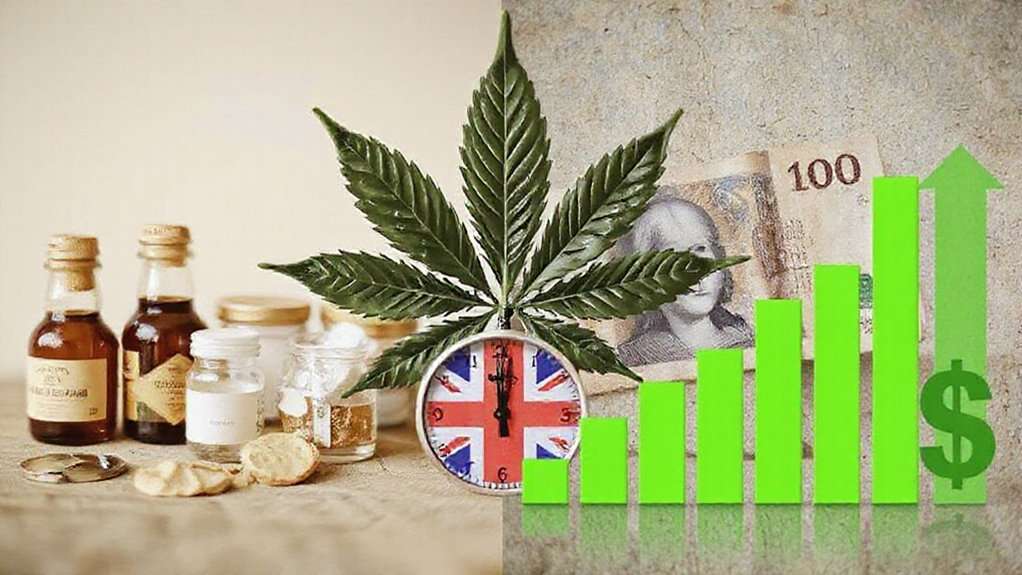
Whilst Britain’s dope laws remain stuck in the dark ages, we’re burning through £284 million quid yearly on naff enforcement whilst 2.2 million regular tokers carry on regardless. The current codswallop isn’t just failing—it’s proper harmful, forcing smokers underground and lining the pockets of dodgy dealers. Meanwhile, potential tax dosh of £1.5 billion goes straight down the pan, and thousands of job prospects go to pot. There’s more to this malarkey than just outdated rules and squandered resources.
The Cost of Cannabis Prohibition in Modern Britain
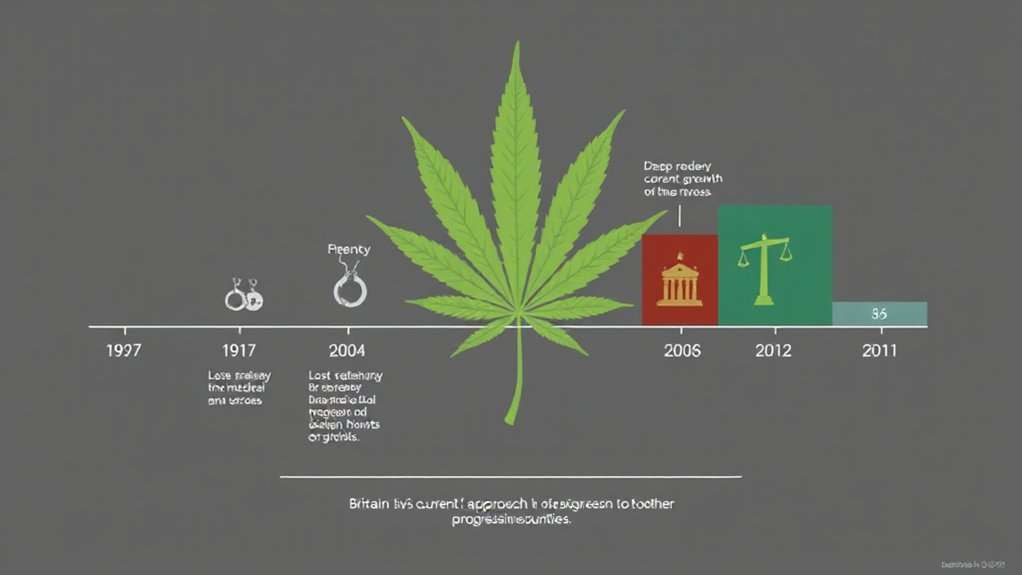
While cannabis remains illegal for recreational use in Britain, the nation’s relationship with the controversial plant is anything but straightforward. The legal status has been a rollercoaster ride of indecision – first classified as Class B, then downgraded to Class C in 2004, only to be bumped back up to Class B in 2009. Meanwhile, public perception has shifted dramatically, with over half the population now supporting legalisation. Vietnamese trafficking operations have become a major concern for law enforcement, with teenagers being exploited to work in illegal cannabis facilities across the country.
This stubborn adherence to outdated laws is costing Britain dearly. The Treasury is missing out on a potential £1.5 billion in annual revenue – money that could fund rather a lot of NHS services, wouldn’t you say? Add to that the £284 million wasted annually on criminal justice costs for cannabis-related offences, and the numbers become rather sobering.
The current situation is, quite frankly, absurd. While 6.8% of people aged 16 to 59 in England and Wales use cannabis regularly, the government continues to push enforcement policies that clearly aren’t working. One-third of users consume it more than monthly, and 10% use it daily – hardly the behaviour of people deterred by current legislation. The medical cannabis market is expected to reach £300m by 2025, showing significant growth potential despite restrictive policies.
Current cannabis laws fail to deter regular users, with daily consumption at 10% despite strict enforcement policies.
The economic opportunities being missed are staggering. Over 15,000 full-time jobs could be created across various sectors in a regulated market. More importantly, legal regulation could capture up to 80% of the illicit cannabis trade within five years, effectively undermining criminal enterprises that currently control the market.
Health concerns remain a significant part of the debate. Yes, there are legitimate worries about mental health impacts and addiction rates, particularly among young people. But here’s the thing: these issues exist regardless of legal status. The current approach simply pushes users into the shadows, making it harder to address health concerns effectively.
The irony is that Britain has already acknowledged cannabis’s medical benefits, legalising it for certain conditions in 2018. Yet recreational users are still treated as criminals, despite growing evidence from other countries that regulation works better than prohibition. Britain’s cannabis laws seem stuck in a time warp, ignoring both public opinion and economic reality.
The cost of this legislative inertia isn’t just financial – it’s social too. Lower-income households show higher cannabis use rates, meaning current laws disproportionately affect the less privileged. It’s high time Britain faced reality: the current approach to cannabis isn’t just outdated – it’s expensive, ineffective, and increasingly difficult to justify.
[affai keyword=”legal medical cannabis products UK” template=”carousel” count=”3″