

Specialised technologies are revolutionising industries left, right and centre, from aerospace to healthcare. They’re not mucking about – we’re talking 3D-printed aircraft parts, robots performing surgery, and blockchain making finance properly secure (at last!). Smart grids manage entire cities’ power needs, whilst AI-driven systems are becoming rather clever at detecting fraud. With a projected 22.5% market growth through 2030, these bespoke solutions aren’t just fancy gadgets – they’re reshaping how the world works. There’s more to this tech revolution than meets the eye.
Key Industries Leveraging Specialized Technology
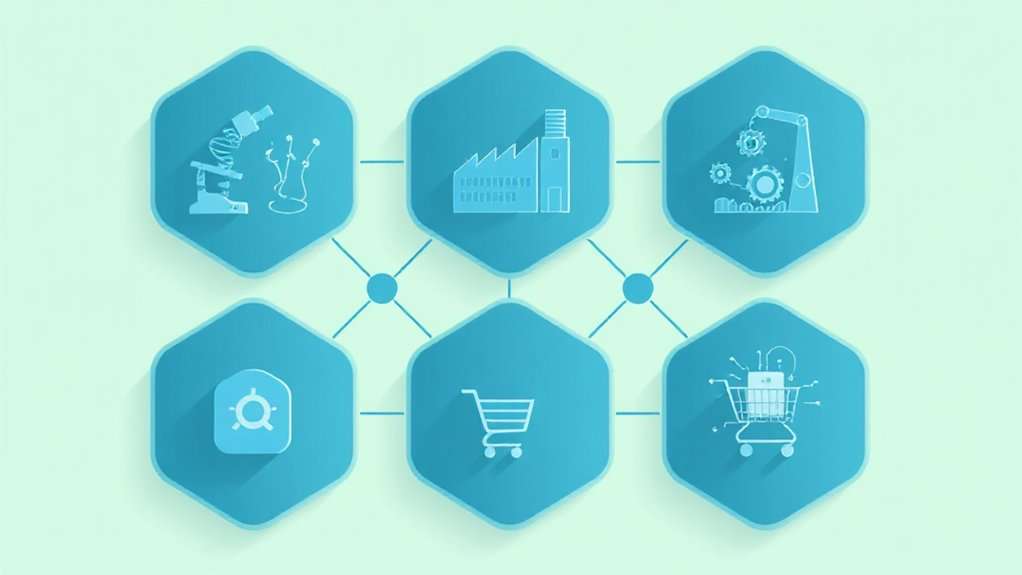
Several key industries have revolutionised their operations through specialised technology, transforming how businesses deliver products and services.
Aerospace innovations have transformed manufacturing with 3D-printed parts that laugh in the face of traditional limitations. Advanced drone technologies are reshaping surveillance and monitoring capabilities across multiple sectors.
3D printing has boldly reimagined aerospace manufacturing, making once-impossible designs take flight with revolutionary precision and efficiency.
Medical advancements are rather impressive – robots performing surgery whilst doctors guide them from their sitting rooms. The service industry has enhanced its efficiency through computerized ordering systems that minimize errors and speed up delivery.
Energy solutions keep getting cleverer, with smart grids managing entire cities’ power needs.
Finance security has gone properly futuristic with blockchain and AI fraud detection.
And retail technology? Well, it’s making shopping so personalised, it’s downright spooky how well these systems know customers’ preferences.
The Future of Custom Hardware and Software Solutions
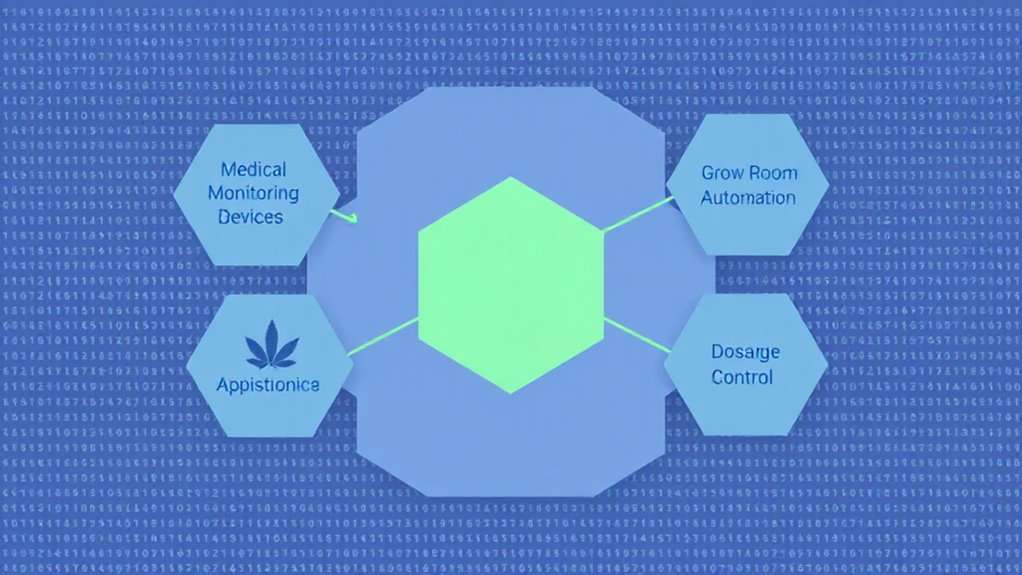
Whilst technologists natter about the next big thing, bespoke hardware and software solutions are quietly staging a revolution.
AI integration isn’t just a buzzword anymore – it’s reshaping how businesses operate, with 85% expected to embed AI into their bespoke software by 2025. Smart devices are continuously improving through AI usage data analysis for optimized performance. Low-code platforms are revolutionizing application development by reducing the need for specialized developers.
Edge computing is transforming data processing, bringing intelligence closer to where it’s needed. No more faffing about.
The figures tell the story: a whopping 22.5% market growth through 2030. Europe’s not mucking about either, with a 26.2% growth rate.
Hardware and software are getting rather chummy too, with tighter integration and modular designs.
The future? It’s already here, innit.