
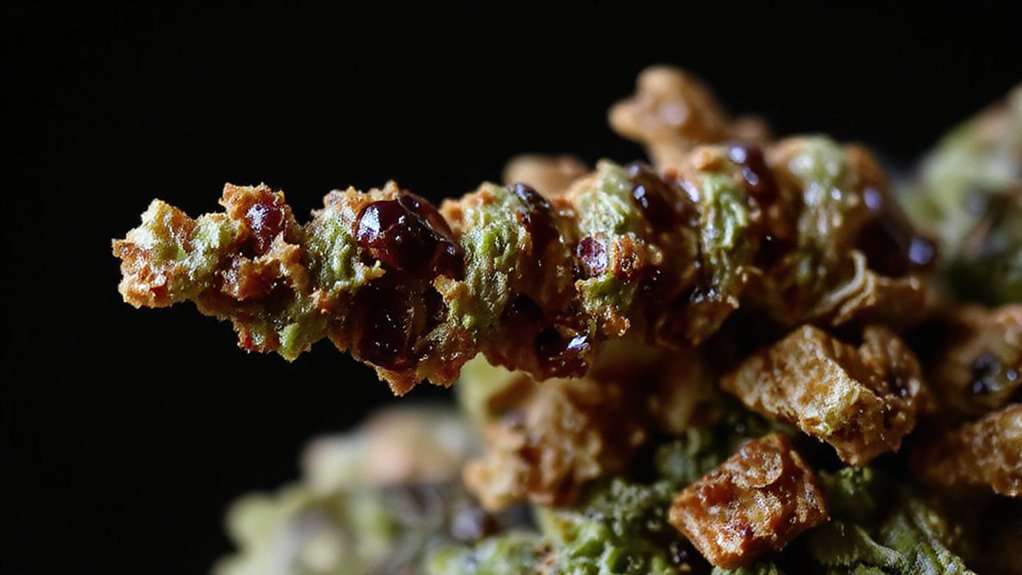
THCP is a mind-bending cannabinoid that’s turning the cannabis world arse over tit. First spotted in 2019 in an Italian medicinal strain, this natural compound packs a stonking 33 times more wallop than regular THC. Its supersized molecular structure lets it latch onto brain receptors with remarkable efficiency, producing effects that verge on psychedelic. Whilst researchers are getting well chuffed about its therapeutic potential, regulators are having a right old faff trying to catch up. There’s more to this chemical powerhouse than meets the peepers.
Meet THCP: The Supercharged Cannabinoid
Just when you thought cannabis couldn’t get any stronger, along comes THCP. This newly discovered cannabinoid is turning heads in the scientific community, and for good reason – it’s a whopping 30 to 33 times more potent than regular THC. That’s not a typo. THCP effects are so intense that researchers are practically falling over themselves to understand this chemical powerhouse.
Move over THC – THCP packs a mind-bending punch that’s 33 times stronger, leaving scientists scrambling to decode this potent cannabinoid phenomenon.
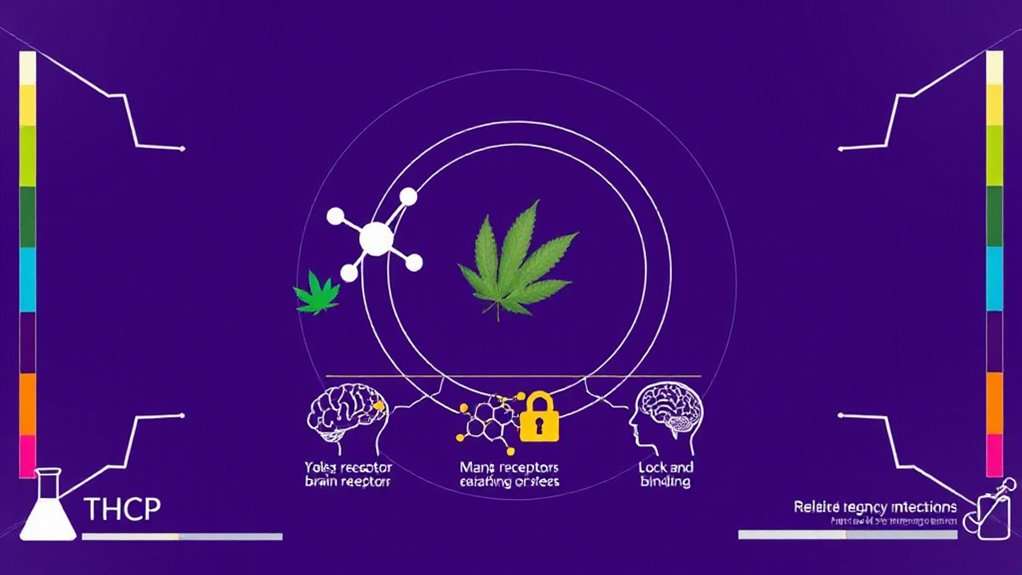
The secret behind THCP’s extraordinary punch lies in its molecular structure. Think of it as THC’s overachieving cousin, with a longer chemical side chain that helps it bind to the brain’s CB1 receptors like a champion wrestler. THCP was first identified in an Italian medical strain called FM2. It’s basically THC on steroids, but naturally occurring. Well, mostly natural – scientists are still debating that bit. The discovery was made possible through advanced chromatography techniques in 2019.
Speaking of debates, THCP legality is about as clear as mud. While some jurisdictions haven’t even heard of it yet, others are scrambling to figure out how to regulate this super-strength cannabinoid. It’s like watching bureaucrats play catch-up with a Ferrari – amusing but slightly concerning.
The pharmacological effects of THCP are nothing to scoff at. Users report experiences that border on psychedelic, with enhanced sensory perception that makes regular cannabis seem like a cup of chamomile tea. But here’s the kicker – it’s not all fun and games. The same properties that make THCP so potent also mean it can trigger anxiety and paranoia faster than you can say “maybe I should have started with a smaller dose.”
What’s particularly fascinating is how little THCP you need for significant effects. Its enhanced biological activity means users require much smaller amounts compared to traditional THC. It’s like the difference between espresso and filter coffee – same family, dramatically different strength.
Scientists are particularly intrigued by THCP’s potential therapeutic applications, especially for pain relief. However, research faces numerous hurdles, not least because of the compound’s murky legal status. The chemical stability and metabolic pathways of THCP remain largely mysterious, like a puzzle missing half its pieces.
This ultra-potent cannabinoid isn’t just challenging our understanding of cannabis – it’s completely rewriting the rulebook. As research continues and regulatory frameworks evolve, THCP might just revolutionise how we think about cannabinoids. One thing’s for certain: the cannabis world will never be quite the same again.