
Britain’s outdated cannabis laws are doing more harm than good. The current system wastes police resources, clogs the courts with minor possession cases, and pushes people towards dodgy dealers. Meanwhile, countries with legal markets are raking in massive tax revenue and creating proper jobs. Medical access remains limited to the well-heeled, whilst others risk getting nicked and landing a criminal record. Even London’s Mayor Sadiq Khan reckons it’s time for change. The evidence for reform is bloody overwhelming—perhaps it’s time Britain stopped being such a right stick in the mud.
The Failed Legacy of Britain’s Cannabis Prohibition
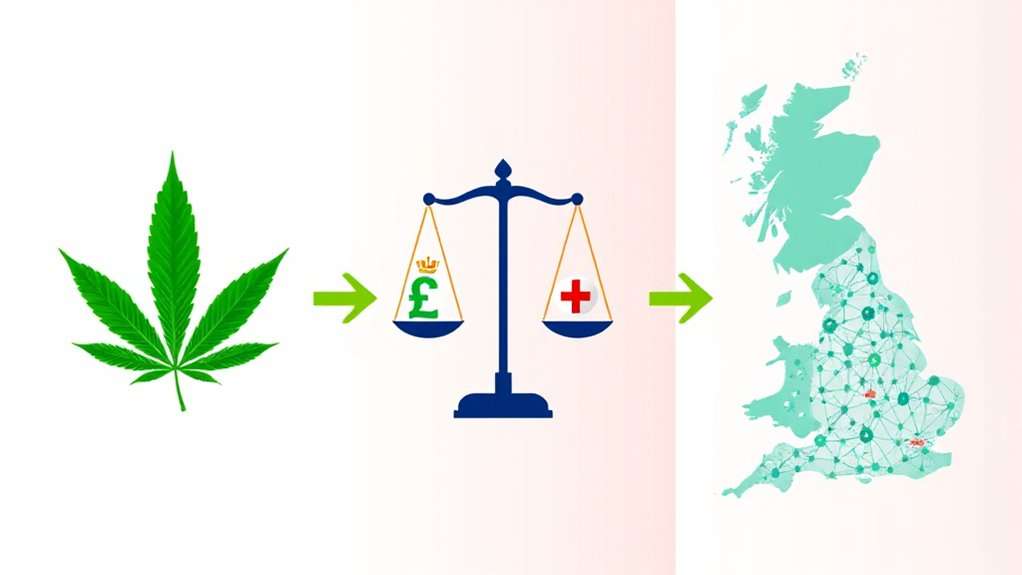
While Britain grapples with outdated cannabis laws, a growing chorus of voices is demanding change. The status quo isn’t working, and it’s costing the nation dearly – both regarding social justice and economic benefits that are slipping through our fingers. Recent petitions for reform may have been rejected, but the momentum for change is building, with influential figures like London Mayor Sadiq Khan backing decriminalisation for small quantities of natural cannabis. The Drugs Commission’s recommendation to move cannabis from the Misuse of Drugs Act to the Psychoactive Substances Act marks a significant shift in policy thinking.
Let’s be honest – our current approach is about as effective as using a chocolate teapot. The legal framework restricts access to quality cannabis, creating monopolies in medical production while pushing recreational users toward dodgy dealers. Meanwhile, other countries are racing ahead, reaping substantial tax revenues and creating legitimate jobs. Britain’s standing on the sidelines, clutching its pearls.
The numbers tell a compelling story. Our justice system is clogged with minor possession cases, wasting police time and resources that could be better spent catching actual criminals. It’s particularly frustrating when you consider how current laws disproportionately affect certain communities. Some bloke in Kensington gets caught with a spliff? Likely a warning. Someone from a council estate? Different story entirely.
Police waste precious time on minor cannabis cases while enforcement unfairly targets working-class communities over wealthy neighborhoods.
Medical cannabis might be technically legal, but good luck getting it without deep pockets. The strict regulations on production and distribution have created a system where only the wealthy can access legal treatment. Meanwhile, those who can’t afford private prescriptions are left to fend for themselves in the illegal market. Brilliant system, really. Top marks. Modern research shows that full-spectrum CBD products offer enhanced therapeutic benefits through the entourage effect, yet access remains severely limited.
The solution isn’t rocket science. Decriminalisation would distinguish between users and dealers, allowing for a more sensible approach to enforcement. It would free up resources for proper addiction services and education programmes – because let’s face it, telling teenagers “just say no” hasn’t exactly been a roaring success.
The economic argument is equally compelling. Tax revenue from a regulated market could help fund NHS services, addiction support, and education programmes. But no, we’re choosing to leave that money in the hands of criminal enterprises. Makes perfect sense, doesn’t it?
Britain stands at a crossroads. We can either continue with laws that belong in the last century or embrace reform that addresses modern realities. The evidence is clear: decriminalisation offers a path to better health outcomes, reduced crime, and economic benefits. The question isn’t whether we should change our cannabis laws – it’s why haven’t we already?