
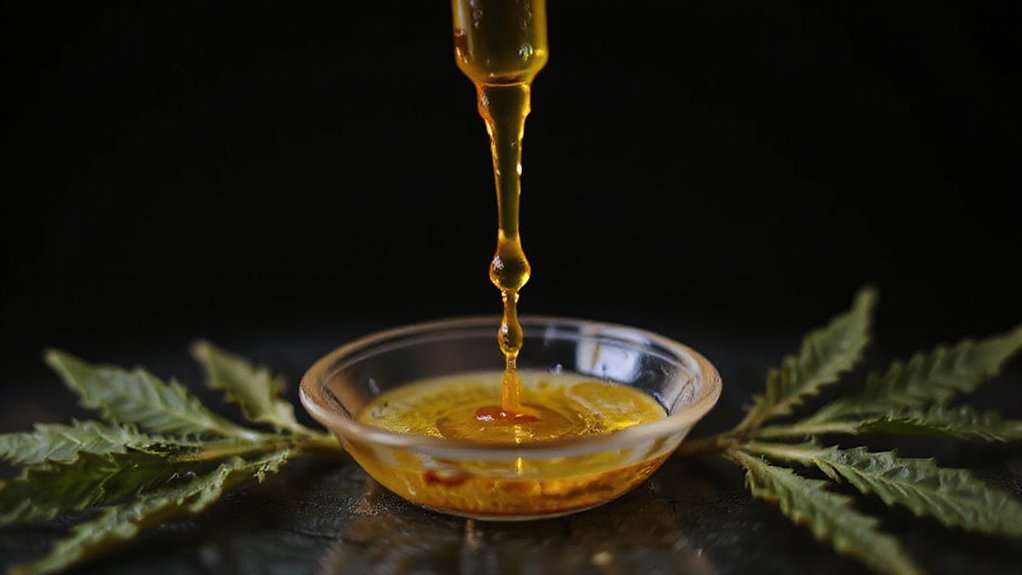
CBD oil is a natural extract from Cannabis sativa plants, containing beneficial compounds called cannabinoids. Unlike its infamous cousin THC, CBD won’t get anyone high. It’s typically mixed with carrier oils like coconut or hemp seed through various extraction methods. Available in full-spectrum, broad-spectrum, or isolate forms, CBD products come as oils, capsules, gummies, and lotions. This ancient remedy, used since 2900 B.C., continues to intrigue modern wellness enthusiasts and sceptics alike—there’s more to this story than meets the eye.
CBD oil, a natural extract from the Cannabis sativa plant, has become quite the buzzworthy substance. Unlike its infamous cousin THC, CBD won’t get you high – and that’s precisely why it’s gaining such widespread acceptance. It’s one of over 100 cannabinoids found in cannabis, but it’s special. While marijuana remains controversial, CBD derived from hemp (cannabis with less than 0.3% THC) enjoys broader legal status in many regions. Ancient Chinese medicine recognized its potential, as they have been using cannabis for pain treatment since 2900 B.C.
The science behind CBD oil is rather straightforward, though its benefits continue to intrigue researchers. Manufacturers extract CBD from cannabis plants, then mix it with carrier oils like coconut or hemp seed oil. The result? A versatile substance that’s caught the attention of both wellness enthusiasts and sceptics alike. It’s available in various concentrations, measured in either percentages or milligrams, depending on how fancy the manufacturer wants to sound. Modern extraction methods can yield products like Jacob Hooy CBD Oil with its highly-rated 5% concentration. The addition of carrier oils like MCT oil significantly improves the bioavailability and absorption of CBD in the body.
CBD’s journey from plant to product combines simple science with careful crafting, creating a versatile wellness option that speaks to both believers and doubters.
The extraction process isn’t exactly simple. Think of it as a bit like making a proper cup of tea – there’s more than one way to do it. CO2 extraction is the posh method, producing high-quality stuff. Ethanol extraction is another popular choice, while some still swear by traditional oil extraction. Each method has its merits, rather like choosing between different brewing methods for coffee.
Here’s where it gets interesting: CBD oil comes in three main varieties. Full-spectrum contains everything from the plant, including that trace of THC. Broad-spectrum keeps all the good bits but kicks out the THC. CBD isolate is the purist’s choice – just CBD, nothing else. Rather like choosing between a craft beer, a light beer, or pure grain alcohol.
The final products appear in various forms – oils, capsules, gummies, and even fancy lotions. Some folks drop it under their tongue, others slather it on their skin, and some prefer to pop it in capsule form. It’s quite remarkable how one plant extract can be transformed into so many different products.