
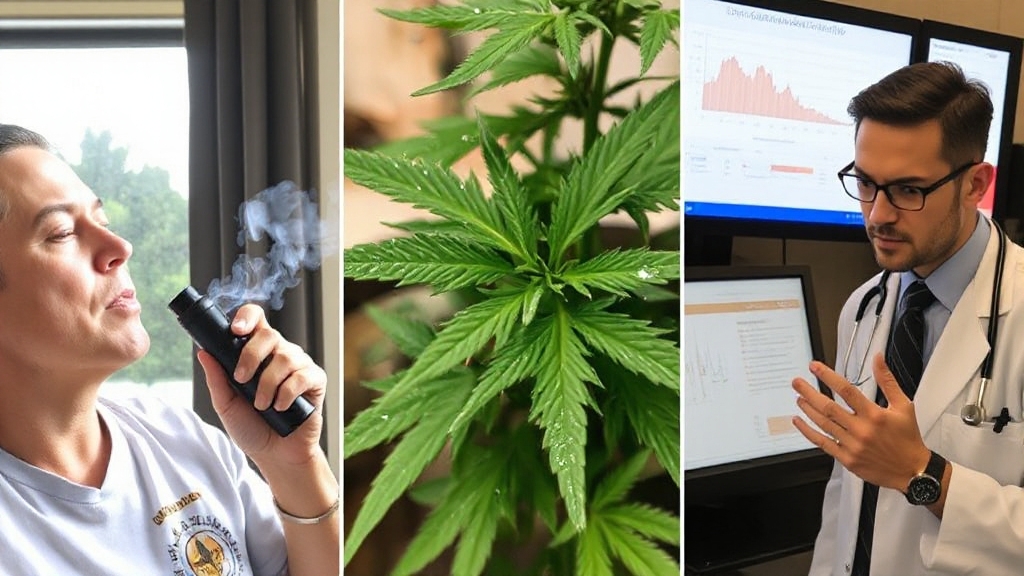
3 Best Insights on Medical Cannabis Benefits and Risks
When considering medical cannabis, it’s vital to weigh its therapeutic benefits against potential risks. You might find it effective for managing chronic pain or anxiety, but there’s more to the story. Side effects can vary widely, and understanding your individual response is key. So, how do you guarantee you’re making informed decisions about access and safety? Let’s explore these insights further for 3 Best Insights on Medical Cannabis Benefits and Risks.
Potential Therapeutic Benefits of Medical Cannabis
As more people explore alternative treatments, medical cannabis has emerged as a promising option for various health conditions.
You might find it helpful in managing chronic pain, as cannabinoids interact with your body’s endocannabinoid system to reduce discomfort.
If you struggle with anxiety or depression, medical cannabis can provide relief, helping to stabilize your mood and promote relaxation.
Additionally, it’s shown potential in alleviating symptoms related to conditions like epilepsy, multiple sclerosis, and even cancer treatment side effects.
You may also experience improved sleep quality, as certain strains have sedative effects.
By considering medical cannabis, you could enhance your overall well-being and find a more holistic approach to health management. Recent studies indicate clinically meaningful improvements in health-related quality of life for patients using medical cannabis.
Considering medical cannabis may improve your well-being and offer a holistic path to managing your health.
Always consult with your healthcare provider before starting any new treatment.
Understanding the Risks and Side Effects
While medical cannabis offers potential benefits, it’s essential to understand the risks and side effects that can accompany its use.
You might experience dizziness, dry mouth, or increased heart rate after consuming cannabis. Some users report feelings of anxiety or paranoia, especially with higher THC levels.
3 Best Insights on Medical Cannabis Benefits and Risks
Cognitive effects, like impaired memory or concentration, can also occur, impacting your daily activities. Additionally, long-term use may lead to dependency or withdrawal symptoms.
It’s important to monitor how cannabis affects you personally, as individual reactions can vary greatly. Always consult with your healthcare provider to discuss potential interactions with other medications or underlying health conditions.
Medical marijuana is also seen as a potential solution to the opioid crisis in several states, highlighting its role in pain management.
Being informed will help you make better choices about your medical cannabis use.
Navigating Access and Quality Assurance in Medical Cannabis
How can you guarantee that you access high-quality medical cannabis? First, always obtain your cannabis from licensed dispensaries. They’re required to adhere to strict regulations, guaranteeing product safety and potency.
Check for lab testing results; reputable dispensaries provide certificates of analysis, verifying that products are free from contaminants and contain the labeled cannabinoid levels.
Additionally, consult your healthcare provider to discuss your specific needs and get recommendations on strains or products that may work best for you. Research indicates that medical cannabis may improve health-related quality of life for users, making it essential to choose the right product.
Stay informed about local laws and regulations regarding medical cannabis to guarantee compliance.
Finally, join online forums or local support groups to learn from others’ experiences and gain insights into trusted sources. This way, you’ll feel confident in your choices and receive the benefits you seek.
3 Best Insights on Medical Cannabis Benefits and Risks
In summary, medical cannabis can be a powerful tool for managing chronic pain, anxiety, and sleep disorders, enhancing your quality of life. However, it’s essential to stay aware of the potential risks and side effects, like dizziness and cognitive impairment. By accessing products from licensed dispensaries and working closely with your healthcare provider, you can navigate these challenges effectively, ensuring a balanced approach that prioritizes both your health and well-being.